
Most traditions that have thought carefully about this read a butterfly crossing your path as a transition marker. Not a warning, not a guarantee of anything good coming. A marker. You are in the middle of something changing, and the butterfly, which spends its whole existence in states of radical transformation, is the creature cultures have most consistently reached for to name that specific feeling.
Key Takeaways
- Across Greek, Han Chinese, Hopi, Nahua, and Irish traditions, butterflies converge on two meanings: the soul in transit, and change in progress. These traditions had no contact with each other. The convergence is real.
- The Greek word psyche meant “soul” and “butterfly” simultaneously. That linguistic overlap seeded most Western soul-symbolism around this insect, including early Christian imagery.
- Color modifies the base meaning: white (soul contact or mourning), yellow (luck or caution), blue (rarity and wish-granting), orange/monarch (ancestral visitation), black (honest reckoning with something difficult).
- A butterfly crossing your path is most consistently read as a threshold marker, not a destination. Something is in the process of changing.
- The butterfly as a personal totem tends to appear to people in the middle of major life shifts, which is consistent with rather than separate from the core symbolism.
What Does It Mean When a Butterfly Crosses Your Path?
The longer answer depends on which thread you pull. Some traditions read the crossing butterfly as a soul in transit, a loved one passing through. Others read it as luck gathering. Others read it as your own interior life asking to be noticed. What strikes me about butterfly symbolism is how consistent it is across cultures that never met: the Greek world, Han dynasty China, Meiji-period Japan, pre-Columbian Mexico, and rural Ireland all landed on roughly the same cluster of meanings through entirely separate routes. That convergence tells you something real about what this animal does to the human imagination.
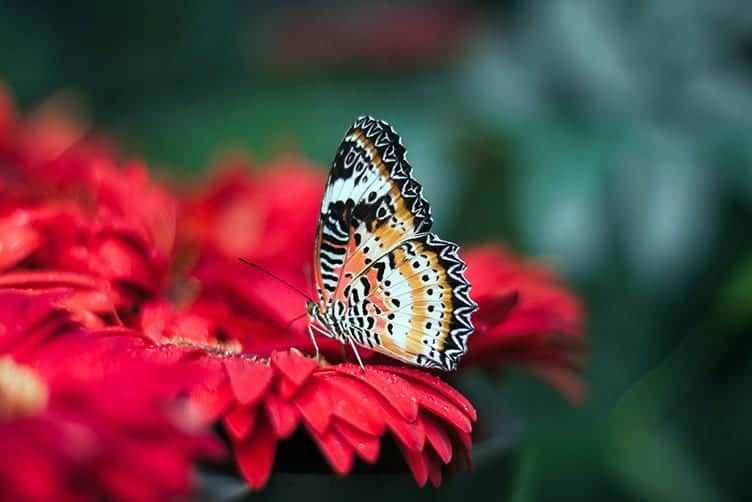
I think it maps directly onto observed behavior. A butterfly doesn’t fly in a straight line. It lifts, pauses, turns without apparent reason, disappears and reappears. It is impossible to predict. And it was, before it was anything you see now, something else entirely: an egg, a crawling thing, a sealed dark chamber. If you were trying to name the feeling of being in the middle of a change you couldn’t yet see the end of, the butterfly is not a bad choice.
What Is the Core Spiritual Meaning of Butterfly Symbolism?
The symbolic pillars are metamorphosis, the soul, impermanence, and renewal, in roughly that order of prevalence across traditions. Metamorphosis is the most universal. The caterpillar-to-butterfly arc maps onto personal change so cleanly that it appears in traditions with no contact with each other, which suggests the metaphor is doing something real rather than something borrowed. The soul association comes second, and it has a specific origin in Greek that I’ll get to shortly. Impermanence is the Japanese and Buddhist contribution, rooted in the actual fragility of the animal: a butterfly lives, in its adult form, between two weeks and a year depending on species. And renewal is the seasonal thread. Butterflies arrive in spring. The first Swallowtail after a hard winter carries that meaning intentionally or not.
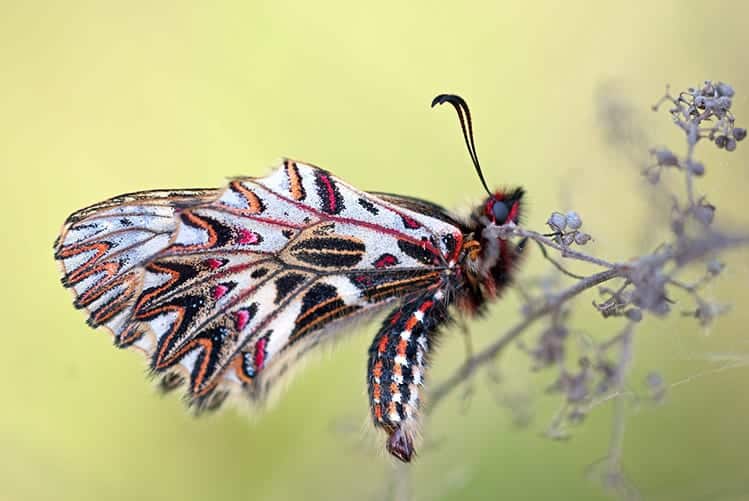
Across traditions, the common thread is that the butterfly marks thresholds, not permanent states. That is different from how most modern spiritual writing uses the symbol, which tends to park it at “change” as if change were a destination. The older readings are more precise: you are crossing something, and the butterfly shows up at the crossing.
What Does the Greek Word Psyche Reveal About Butterfly Symbolism?
In ancient Greek, psyche (ψυχή) meant both “soul” and “butterfly.” Not as a metaphor. As the same word, used for both things interchangeably. That is not a minor linguistic footnote. When Greek artists depicted the soul departing the body at death, they drew a small winged figure. Sometimes clearly human, sometimes clearly a butterfly, frequently both at once. The ambiguity was the point.
The myth of Eros and Psyche formalized this. Psyche, a mortal woman, undergoes a series of impossible trials before being reunited with Eros and granted immortality. In later visual tradition, Psyche is consistently depicted with butterfly wings: the soul that has been tested and survived. Early Christian theologians inherited this imagery without always acknowledging the Greek source, and it persisted. The butterfly as a symbol of the resurrected soul appears in medieval European church decoration from roughly the fifth century onward, usually without anyone pausing to note that the image came from a Greek love story.
The Latin word for butterfly, papilio, gave us the scientific family Papilionidae (the swallowtails) and also French papillon. But papilio never carried the soul weight that psyche did. The Greek word did that work alone, and it still does. When someone says a butterfly appearing after a death felt like a soul visit, they are, without knowing it, thinking in Greek.
What Do Chinese Folk Traditions Say About Butterfly Symbolism?
Han Chinese butterfly symbolism runs on two tracks that look different but share a root in language. The first is romantic love. Pairs of butterflies in embroidery, porcelain, and painting signal faithful lovers and marital fidelity. This association crystallized in the story of Liang Shanbo and Zhu Yingtai, known in the West as The Butterfly Lovers: two students who fall in love, are separated by an arranged marriage, and after his death are buried together, from which grave two butterflies emerge. The Harn Museum of Art documents that butterflies in Chinese textiles and painting commonly represent “love, freedom, romance, and beauty,” frequently hovering over flowers in wedding imagery. Wilt L. Idema’s 2010 translation and study of The Butterfly Lovers traces how that story reshaped decorative symbolism for centuries afterward.
The second track is longevity, and it comes from a pun. The character dié (蝶, butterfly) is a homophone of 耋, which means “eighty years old.” So a butterfly near a flower in a painting is decorative and symbolic. It is wishing someone a long life in a language that requires you to know your homophones to read it. This kind of visual pun is common in Chinese decorative art (bats for fortune, fish for abundance), but the butterfly’s version is particularly layered because it arrives on top of the romantic association, rather than replacing it.
What Does Japanese Folklore Say About the Butterfly?
Lafcadio Hearn recorded a belief during the Meiji period that a white butterfly could be the soul of a dying person come to say farewell. His 1904 collection Kwaidan includes “The Story of a Butterfly,” in which a white butterfly appears in a house on the day a beloved old man dies, observed calmly by the family as if the visit were expected. Hearn was writing for a Western audience and could have sensationalized it. He didn’t. He treated it as a documented social fact in the households he visited, which is the more interesting editorial choice.
Beyond that soul association, the butterfly in Edo-period woodblock prints and waka poetry is consistently linked to impermanence and feminine grace. In Buddhist thought, the butterfly’s brief adult life made it a natural kigo, a seasonal word, for spring in haiku, where its presence implies the season and the brevity of the season alike. Single butterflies in ukiyo-e prints often float near women or flowers with the same visual grammar: beautiful, fleeting, not quite touchable.

And then there are the kamon, the family crests. Butterfly crests appear in Japanese heraldry. The Taira clan used a stylized butterfly design, which means the insect also carried aristocratic and warrior associations alongside its softer ones. Both at once, which is perhaps more honest about the animal than a single reading would be.
How Do Aztec and Central Mexican Traditions Interpret Butterfly Symbolism?
This is the tradition I find most specific and most grounded, partly because the source material is dated and named. Bernardino de Sahagún’s Florentine Codex, compiled in the 1570s through interviews with Nahua informants, notes that butterflies were understood as forms taken by the souls of warriors who died in battle and women who died in childbirth, deaths considered particularly honorable, which granted the soul a specific afterlife trajectory. The butterfly form was part of that trajectory. These were not random sightings; they were recognizable arrivals.
The contemporary expression of this comes through the monarch migration. Every autumn, monarch butterflies (Danaus plexippus) return in tens of millions to the oyamel fir forests of Michoacán. According to the Smithsonian Center for Folklife and Cultural Heritage’s 2017 report “Winged Messengers”, Purépecha and other local communities have long interpreted this migration as the returning souls of ancestors, visiting during the overlap with Día de Muertos. The timing is not coincidental in their reading. It is the point.
I am not Purépecha or Nahua, and I hold this at appropriate distance. But I find the specificity of it, a particular species, a particular forest, a particular date on the calendar, more credible than vague claims about “many cultures” believing something. A 2019 report from the World Wildlife Fund Mexico counted approximately 14.2 million monarchs overwintering in the reserve, a number that clarifies the scale of what those communities witness every year.
For more on monarch-specific symbolism, see our dedicated piece on monarch butterfly symbolism.
What Does Hopi Ritual Say About the Spiritual Meaning of Butterflies?
The Hopi Butterfly Dance, held in late summer after the main harvest, is a petition for rain and long life, and a thanksgiving for pollination. Dancers wear shawls that evoke butterfly wings. The ceremony is not primarily about symbolism in the decorative sense. It is a functional address to the relationship between insects, crops, and the community’s survival. J. Walter Fewkes documented several butterfly-related kachina figures in his 1903 study Hopi Katcinas, identifying them as representations of the spirit essence of pollinators and their role in sustaining agricultural life.
The UIC Heritage Garden’s documentation describes the dance as a way of recognizing butterflies as spiritual helpers in maintaining life and balance. That phrasing captures the functional quality of Hopi engagement with the natural world. This is not sentiment; it is relationship management with beings the community depends on.
Butterfly imagery on prehistoric Hopi pottery confirms the association goes back centuries before European contact. The same cluster of meanings, beauty, fertility, rain, reciprocity, appears consistently across those records.
What Does Irish and Celtic Folklore Say About Butterflies?
W. B. Yeats’s 1888 collection Fairy and Folk Tales of the Irish Peasantry includes accounts of butterflies understood as souls of the dead or as beings moving between this world and the Otherworld, specifically Tír na nÓg, the Land of the Ever-Young. White butterflies carried the strongest association. Killing one near a house of mourning was considered dangerous; the belief held that the butterfly might be the departing soul, and interfering with it was not a risk worth taking.
Ireland’s National Biodiversity Data Centre (2020) still notes the folk association of butterflies with departed loved ones in Irish rural communities, which suggests the belief didn’t evaporate with modernization so much as it quietly persisted alongside it. That kind of persistence is, to me, one signal that the belief is doing real psychological work. It answers a need that hasn’t gone away.
The liminal quality of the butterfly in Irish tradition is consistent with how fairies and the Sidhe are generally understood: beings that move between states, between worlds, neither fully present nor fully absent. The butterfly, which is itself neither caterpillar nor whatever it was before the chrysalis, fit that category without much effort.
What Does the Word “Butterfly” Actually Mean, and Does Etymology Add Anything?
The Old English buttorfleoge is straightforwardly “butter-fly,” but the reason for the name is genuinely uncertain, and the uncertainty is interesting. One explanation is color: common European species like the Brimstone (Gonepteryx rhamni) are pale yellow, close enough to butter to name. Another, stranger explanation is a medieval superstition that witches transformed into butterflies to steal milk and butter from households. I don’t know which explanation is correct. I have read three accounts of this etymology and none of them cites a primary source I fully trust. What I can say is that the witch-as-butter-thief theory, if accurate, would place the butterfly firmly in the category of liminal beings, shape-shifting, theft-capable, supernatural, which would make it consistent with the Irish soul-association rather than contradicting it.
Spanish mariposa is widely believed to derive from a devotional phrase, “María, pósate” (“Mary, alight”), linking the butterfly to the Virgin Mary and gentle visitation. If accurate, this traces a Marian thread through Spanish folk Catholicism that runs parallel to the Irish soul-association without being identical to it.
And then there is Chinese húdié (蝴蝶), where dié puns on longevity as discussed above. Three languages, three sets of speakers who never compared notes, all finding in the butterfly’s name an occasion for something beyond description. The symbolism is not arbitrary. It maps directly onto the way language itself kept reaching for this animal to say something it couldn’t say plainly.
What Does Butterfly Symbolism Mean Across Different Colors?
My grandmother Theresa’s notebook, which she kept in German cursive and which is now on my desk falling apart at the spine, doesn’t mention butterflies by color. It mentions them by behavior: one that circles a sick person’s bed, one that lands on the hands of a new bride. Color modifiers seem to belong more to the British Isles and East Asian traditions than to the Bavarian Forest. But the pattern holds across all of them, which is that color narrows a meaning the base symbol already established.
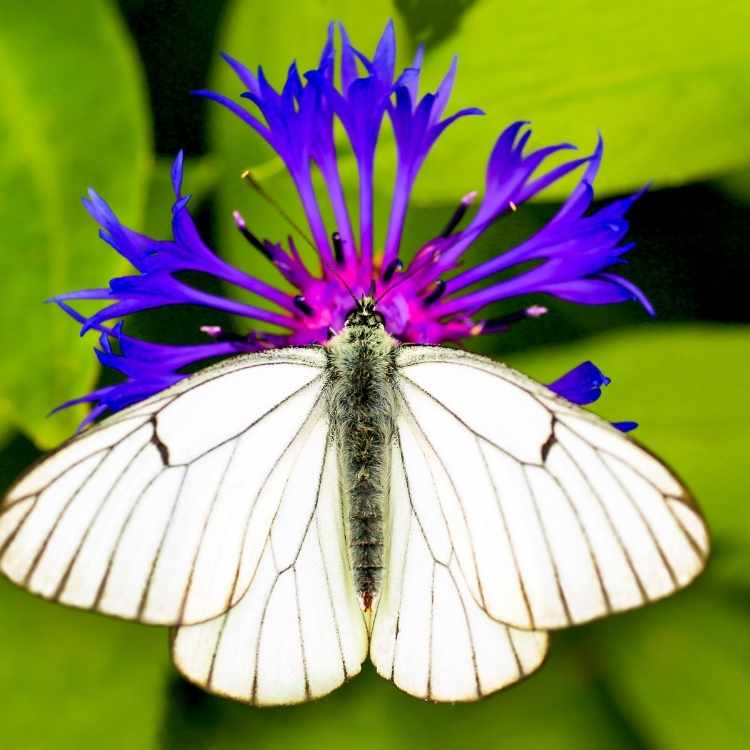
White butterflies carry the soul association most consistently. Irish folk tradition, Japanese Meiji-period belief, and some strands of American folk Christianity all read a white butterfly as a soul in transit or a visit from the recently dead. For deeper coverage, see our piece on white butterfly symbolism.
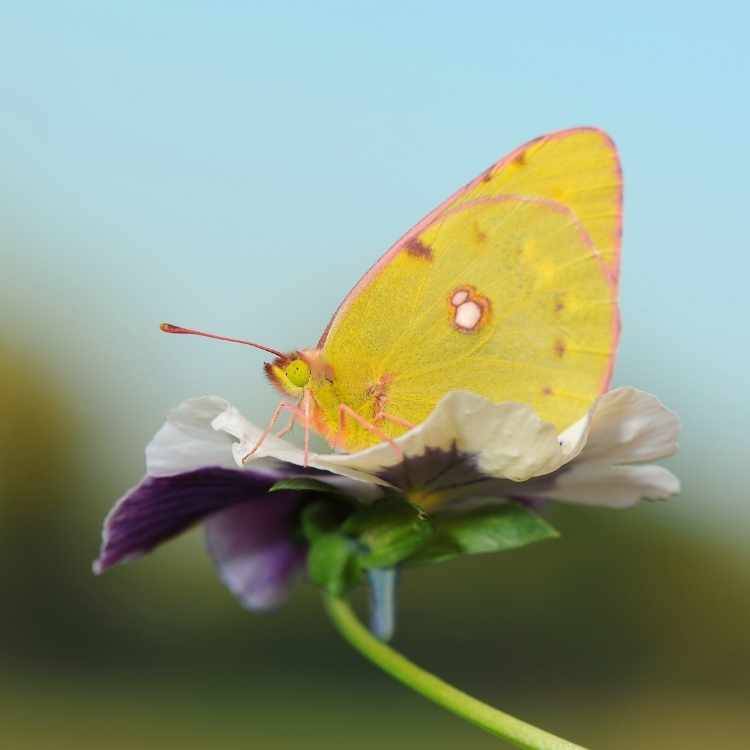
Yellow butterflies lean toward luck and new energy, though nineteenth-century Irish belief also read yellow near a grave as the soul at rest rather than in distress. The full range is in our yellow butterfly meaning piece.
Blue butterflies are relatively rare in nature, and rarity has consistently translated into elevation across traditions. In some East Asian decorative arts, a blue butterfly signals a wish about to be granted. See blue butterfly meaning for the specifics.
Orange butterflies, especially monarchs, carry the Nahua and Purépecha ancestral association documented above. The orange-black coloration is visually unmistakable, which may be part of why it accumulated such specific meaning. See orange butterfly meaning.
Black butterflies tend toward transition and the acknowledgment of difficulty rather than its denial. Not an omen of doom. More a marker of something that requires honest reckoning. See black butterfly meaning for the tradition-by-tradition breakdown.
What Does the Butterfly Mean as a Spirit Animal or Totem?
The butterfly as a personal totem tends to arrive, or rather to be recognized, during periods of significant life transition: a divorce, a career change, a death in the family, a recovery from illness. That pattern makes sense given the core symbolism. If the butterfly means “you are in the middle of a change,” then the people most likely to find it meaningful are the ones who are, in fact, in the middle of something.
What the butterfly totem points toward, in the traditions I find credible, is a particular relationship to change rather than a fixed personality trait. It suggests adaptability. It suggests willingness to pass through uncomfortable intermediate states (the chrysalis is not a comfortable metaphor; it is dissolution before reconstruction). It suggests that the thing you are becoming is not visible yet from where you are standing.
Recognizing the butterfly as a totem is usually described through recurring encounter: seeing them in unusual contexts, having one land on you more than once in a season, dreaming of them during a period of upheaval. If this insect has caught your attention recently, here is what people have made of that: the encounter is worth sitting with, not because it is supernatural, but because the mind reaches for mirrors when it is working on something, and the butterfly is a very old mirror for this particular kind of work.
What Do Butterflies Symbolize in Dreams?
Dream butterflies almost always signal transformation in progress, which is almost too obvious given the waking symbolism, but it holds. The scenarios matter more than the general category.
Chasing a butterfly in a dream and not catching it is read as reaching for something that is not ready to be held yet. The pursuit itself is the point. A butterfly landing on you in a dream carries the same weight as the waking encounter: personal attention from something that could have gone anywhere. A dead butterfly in a dream is the one I’d sit with longest. It usually signals a completed phase rather than a loss, something that has already fully transformed and no longer needs the intermediate form.
I don’t make confident dream interpretations from single images without context, and I’d be skeptical of anyone who does. What I can say is that the butterfly’s dream appearances consistently cluster around the question of what is ending and what is beginning, which is the same question the waking symbolism addresses, translated into the less polite language the sleeping mind uses.
What Does It Mean When a Butterfly Lands on You Specifically?
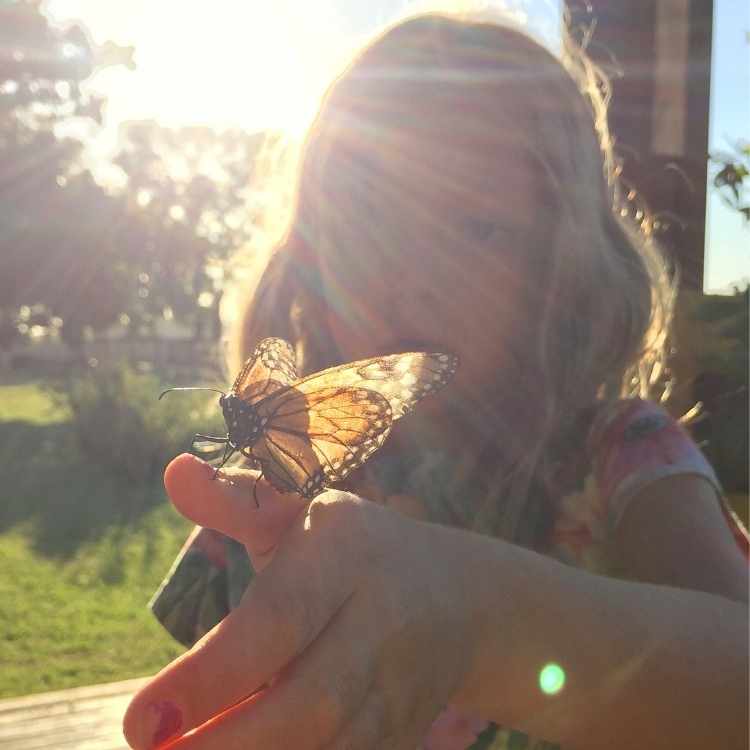
Across the traditions I’ve reviewed, a butterfly landing on you is personal contact rather than ambient symbolism. Something chose you, specifically, out of all the available surfaces. In the Irish folk tradition documented by Yeats, that kind of deliberate approach suggests the presence of a soul or a Sidhe messenger. In the Nahua reading, a butterfly seeking contact might be an ancestor making itself known. In the more secular reading, it is the animal’s own choice, and butterflies do not land randomly; they are responding to warmth, color, scent, stillness.
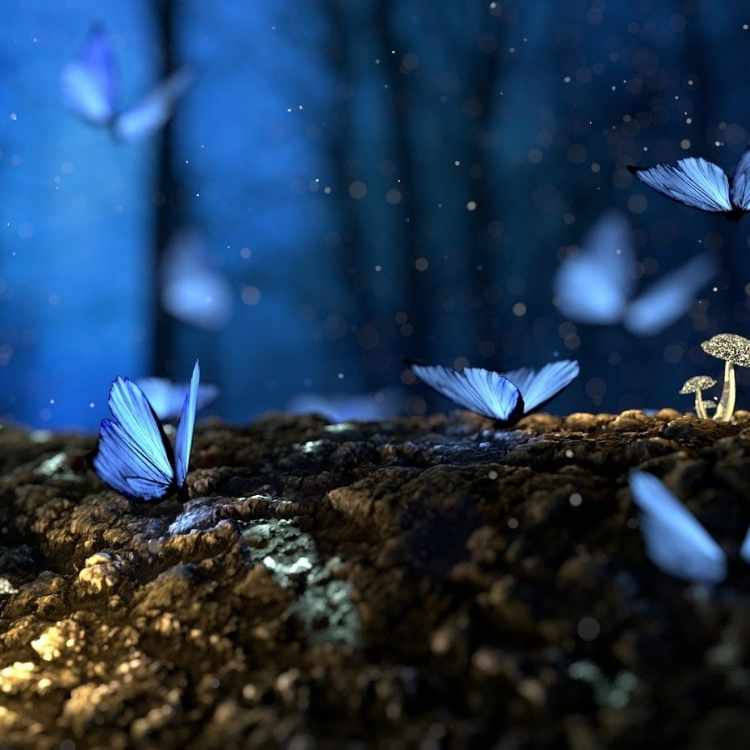
Key Takeaways
- Across Greek, Han Chinese, Hopi, Nahua, and Irish traditions, butterflies converge on two meanings: the soul in transit, and change in progress. These traditions had no contact with each other. The convergence is real.
- The Greek word psyche meant “soul” and “butterfly” simultaneously. That linguistic overlap seeded most Western soul-symbolism around this insect, including early Christian imagery.
- Color modifies the base meaning: white (soul contact or mourning), yellow (luck or caution), blue (rarity and wish-granting), orange/monarch (ancestral visitation), black (honest reckoning with difficulty).
- A butterfly crossing your path is most consistently read as a threshold marker. Something is in the process of changing.
- The butterfly totem appears most often to people in the middle of major life shifts, which is consistent with rather than separate from its symbolism.
Frequently Asked Questions
Is it good luck when a butterfly crosses your path?
In most folk traditions that address this directly, Irish, Han Chinese, and various strands of American folk belief, a butterfly crossing your path is considered auspicious, or at minimum neutral and meaningful. “Good luck” flattens it a bit, but it’s not wrong. The fuller reading is that you are being marked at a moment of transition, which these traditions consistently treat as a favorable sign rather than a worrying one. I’ve read nothing credible that treats a butterfly crossing your path as a bad omen in isolation.
What does it mean when a butterfly follows you?
A butterfly that follows you, returning after you move, tracking your position over some distance, is read in most traditions as deliberate contact rather than ambient encounter. In the Irish soul-association documented by Yeats in Fairy and Folk Tales of the Irish Peasantry (1888), a pursuing butterfly suggests a specific presence rather than a general sign. Behaviorally, butterflies do track moving warm bodies as heat sources. Both explanations can be true, and the question is whether you find one more useful for where you are right now.
What does it mean when a butterfly visits you after someone dies?
This is the question I take most seriously, because it comes from people who are grieving. The honest answer: multiple independent traditions, Irish, Japanese (as Hearn recorded in Kwaidan, 1904), Nahua, and strands of American folk Christianity, all read a butterfly appearing near or after a death as a soul in transit or a farewell visit. I don’t believe in literal messages from the dead. I do believe the mind in grief reaches for these encounters for real reasons, and that the traditions naming this pattern are documenting something true about human experience. What you make of it is yours to decide.
Are monarch butterflies specifically associated with the souls of the dead?
Yes, in central Mexico specifically. The Smithsonian Center for Folklife and Cultural Heritage’s 2017 report “Winged Messengers” documents that Purépecha and other Michoacán communities interpret the autumn monarch migration as returning ancestor souls, coinciding with Día de Muertos. This is not generic butterfly symbolism. It is a specific species, a specific migration route, a specific annual date. Sahagún’s Florentine Codex (c.1577) confirms the pre-Hispanic Nahua roots of this belief. It is one of the most documented and specific examples of butterfly symbolism anywhere.
What does a yellow butterfly crossing your path mean?
Yellow butterfly symbolism varies more than white or black. In nineteenth-century Irish folk belief, yellow near a grave suggested a soul at rest. In various strands of American folk spirituality, yellow signals new energy or incoming good fortune. Some traditions treat bright yellow as a caution, the same color logic as warning coloration in nature. I read yellow butterflies as generally positive in register but less certain in specific meaning than white. For the full cultural breakdown, see our yellow butterfly meaning article.
What does it mean when a white butterfly crosses your path?
White butterflies carry the soul association most consistently across cultures. In the Irish tradition documented by Yeats, white butterflies near mourning households were understood as souls of the recently dead. In Meiji-period Japan, as Hearn recorded, white butterflies could embody visiting souls. In American folk Christianity, white is broadly linked to spiritual purity and angelic presence. A white butterfly crossing your path, particularly after a loss, sits within a long, consistent tradition of soul-contact symbolism. For deeper coverage, see white butterfly symbolism.
Is there a difference between a butterfly crossing your path indoors versus outdoors?
I don’t have a confident answer here, and the folk record is thinner than I’d like on this distinction. What I can say is that a butterfly indoors is behaviorally unusual. They navigate by landmarks and light, and a closed interior is disorienting for them. Some folk traditions treat animals that cross a domestic threshold as carrying stronger signals precisely because the crossing is less likely. An indoor butterfly visit, in that reading, is a more deliberate contact than a garden encounter. But I’d hold that loosely.
What does it mean when a butterfly keeps appearing to you repeatedly?
Recurring butterfly encounters during a specific period are the pattern most commonly described by people who identify the butterfly as a personal totem. My read: the mind in transition attends to certain things more carefully, and “keeps seeing” sometimes means “keeps noticing.” That is not a dismissal of the experience. Increased attention is itself significant, and it often precedes understanding. Across traditions, repetition amplifies rather than changes the base meaning. If a single butterfly signals transition, repeated encounters suggest the transition is ongoing and worth sustained attention.
Do butterflies symbolize anything in Christianity?
Yes, though it arrived indirectly. Early Christian imagery borrowed the Greek psyche/butterfly overlap without always acknowledging the Greek source. By the medieval period, butterflies in European Christian art represented the resurrected soul: transformation through death into a new form. This appears in illuminated manuscripts and church stonework from roughly the fifth century onward. It is not a central or official Christian symbol, but it has a documented presence in folk Christianity and devotional art across Catholic Europe, particularly in depictions of resurrection and the soul’s journey after death.
What is the difference between butterfly symbolism and moth symbolism?
The behavioral distinction drives most of the symbolic one. Butterflies fly by day; moths fly by night. Butterflies tend to be associated with light, visibility, and transition in the open. Moths are associated with shadow, drawn-to-flame compulsion, and the things we pursue past the point of wisdom. In folk traditions that distinguish them, moths often carry a more ambivalent charge: the soul attracted to something dangerous, or the self that seeks what diminishes it. Butterfly symbolism is generally positive in register; moth symbolism is more complicated, more nocturnal, more honest about the cost of certain desires.
Sources
- Harn Museum of Art, “Those Butterflies in the Asian Wing”
- Smithsonian Center for Folklife and Cultural Heritage, “Winged Messengers” (2017)
- UIC Heritage Garden, “Butterflies”
- Butterfly Lady, “Native American Legends of the Butterfly”
- Bisou Lovely, “Butterfly Symbolism and Meaning Across Cultures”
- Save Our Monarchs, “Cross-Cultural Symbology of the Monarch Butterfly”
- Clarice Dankers, “The Butterfly: Guardian of Nature” (Substack)
- Lafcadio Hearn, Kwaidan (1904)
- W. B. Yeats, Fairy and Folk Tales of the Irish Peasantry (1888)
- J. Walter Fewkes, Hopi Katcinas (1903)
- Bernardino de Sahagún, Florentine Codex (c.1577)
- Wilt L. Idema, The Butterfly Lovers (2010)

Just Love your video. I’m going through a very busy time caring for my husband 24/7 and some days it just gets on top of me so listening to your videos I think will help me.