Working with chakras can assist you in overcoming addictions in a variety of ways. Aligning and balancing the chakras allows for a more harmonious flow of energy throughout the body.
This can assist in breaking up any energy blockages that may be causing addictive behaviors. You may notice that you appear trapped in a negative loop or pattern in which you engage in unhealthy actions and behaviors.
You can help to release any trapped emotions or traumas by working to balance your chakras. These trapped energies may be the source of negative repetitive actions or addictive behaviors.

Releasing these emotions can aid in the reduction or elimination of addictive behaviors. Holding on to pain can lead to self-destructive behaviors as a way of numbing our emotional pain.
In this article, you find the root of common addictions, the
Table of Contents
- 1 Key points
- 2 The Chakras and addictions
- 3 Crown chakra: essential for addiction recovery
- 4 Chakra to Stop Addiction: Types
- 5 Frequently Asked Questions
- 5.1 How do chakras relate to addiction and addictive behaviors?
- 5.2 Which chakra is most important for overcoming addiction?
- 5.3 What does a blocked root chakra have to do with addiction?
- 5.4 How is the sacral chakra connected to intimacy and substance addiction?
- 5.5 Why does an overactive third eye chakra lead to addictive behavior?
- 5.6 What chakras are involved in alcohol addiction?
- 5.7 How does a blocked heart chakra contribute to love addiction?
- 5.8 What role does the throat chakra play in addiction patterns?
- 5.9 Can meditation on the crown chakra help break addiction cycles?
- 5.10 How does the solar plexus chakra imbalance fuel addictive behaviors?
Key points
- Addictions can be dealt with on an energetic level.
- Imbalance within the charka system can manifest itself in physical, mental, emotional, and spiritual addictions.
- The crown
chakra is the bestchakra to work with when overcoming addiction of any kind.
The Chakras and addictions
Crown Chakra
- Sanskrit Name: Sahasrara
- Location: Top of Head
- Color: White or Violet
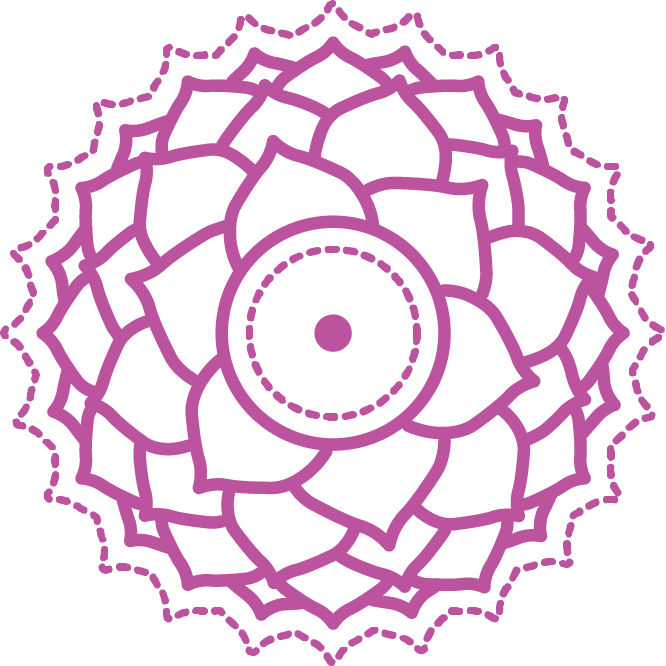
A balanced crown chakra connects you to the world around you and gives you a sense of peace and security. You may feel disconnected from others and crave substances to help you escape reality when this
As you try to fill the void inside, this can lead to substance abuse and addiction. However, addiction does not only refer to illegal drugs or alcohol, addiction can be linked with overdosing on spirituality and religion. Too much spirituality in your life lets you lose your sense of connection with the outer world and can leave you feeling isolated.
Working with informative
Third eye Chakra
- Sanskrit Name: Ajna
- Location: Brow
- Color: Indigo
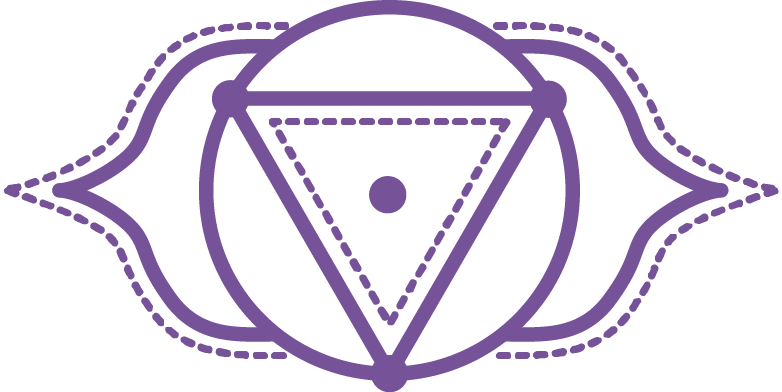
An imbalanced third eye
Being regularly drawn to dark or negative thoughts could indicate that your third eye
The Anja
Read more about the third eye chakra symbol & its spiritual meaning.
Throat Chakra
- Sanskrit Name: Vishuddha
- Location: Throat
- Color: Sky Blue

The throat
You may talk more than you listen or avoid speaking your truth entirely. A gossip addiction can damage our relationships and prevent us from truly connecting with others. It can also cause feelings of loneliness and isolation.
Many people think of Vishuddha also as a
Read this when you think you’ve got an overactive throat chakra.
Heart Chakra
- Sanskrit Name: Anahata
- Location: Heart
- Color: Green or Pink
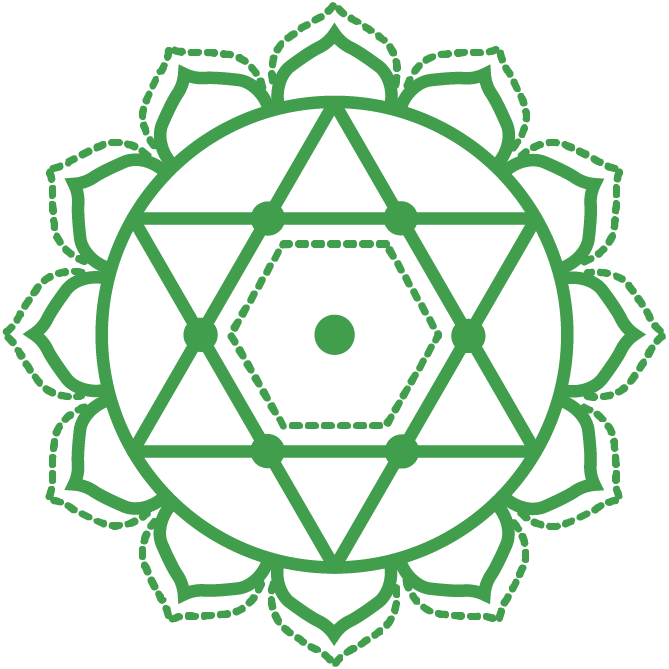
If you require constant validation from others, it’s time to examine your heart
Anahata is linked to addiction for:
- nicotine
- sugar
- love
- ecstasy
- smoking
- sugary foods and drinks
- wine and other alcoholic beverages with high sugar content
- opiates (all forms, including heroin and painkillers) and benzos
Solar plexus Chakra
- Sanskrit Name: Manipura
- Location: Naval
- Color: Yellow
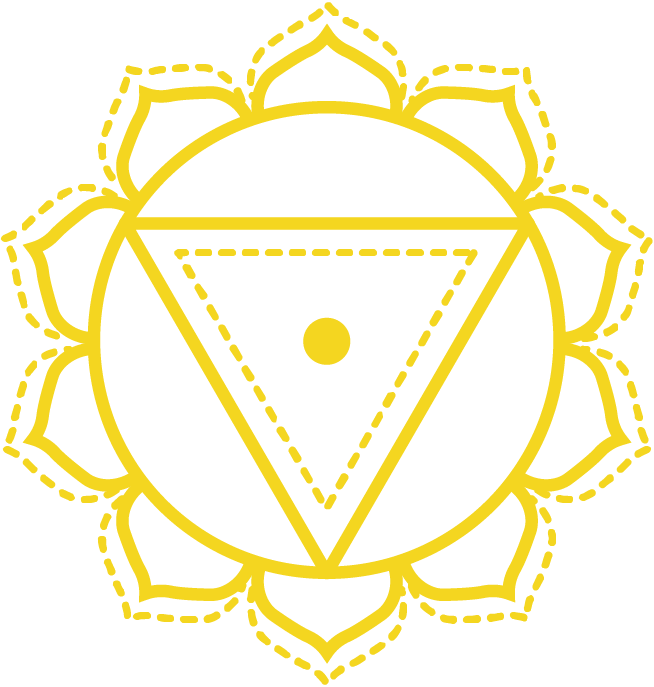
The solar plexus
You may also become trapped in negative self-talk loops, endlessly repeating negative thoughts about yourself.
Speed, meth, cocaine, caffeine, work, anger, carbonated drinks, alcohol made from corn, beer, corn-based processed sugars, and some other foods are all linked to Manipura.
Sacral Chakra
- Sanskrit Name: Swadhisthana
- Location: Lower Abdomen
- Color: Orange
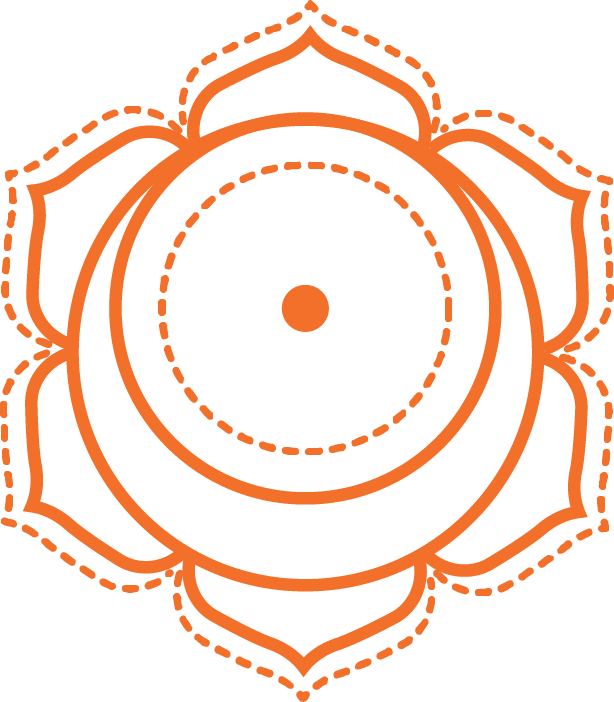
If you constantly look for new relationships or sexual encounters (sexuality disorder) this could be a sign that your sacral
This can manifest as an obsession with physical touch or needing constant validation and attention from others.
It has been linked to addictions such as pain relievers, porn, gluten, wheat, and starchy carbohydrates, as well as chocolate.
Root Chakra
- Sanskrit Name: Muladhara
- Location: Base of Spine
- Color: Red

When your root chakra is out of balance, it can lead to an addiction to fear. This means you become addicted to the sensation of fear and begin to crave it.
You might become a thrill seeker or start avoiding situations that make you nervous. This can create a chain reaction of negative behaviors that can be difficult to break.
Addictions to numerous vices, such as money, security, food, and gambling may be linked.
Crown chakra : essential for addiction recovery
The crown
The crown
The crown
It is critical to strengthen your crown
Through meditation, you can balance the crown
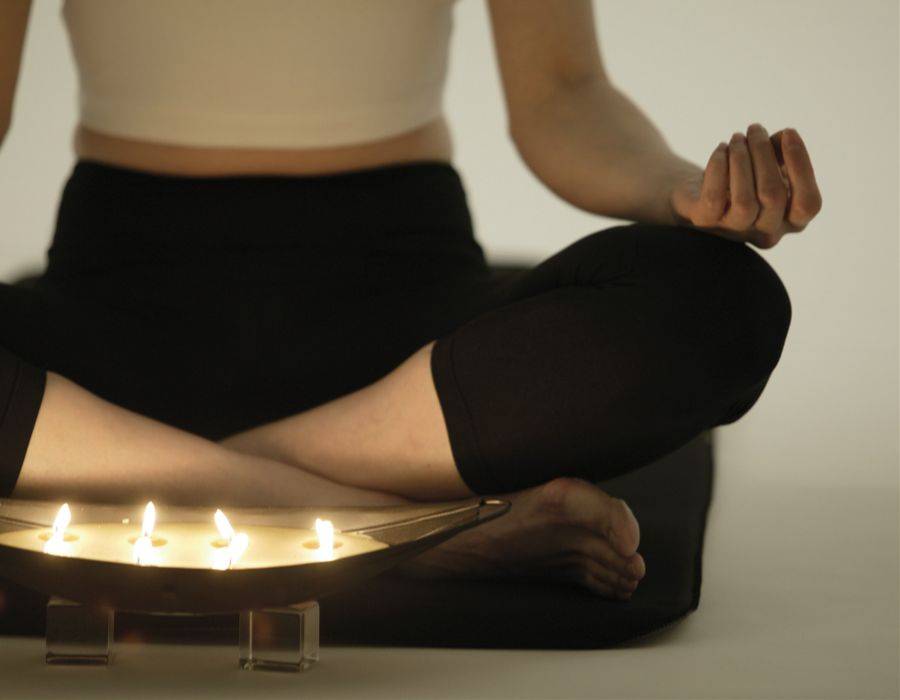
Allow this energy to flow through you, cleansing and balancing your crown chakra, and allow yourself to feel the peace and bliss it brings. This visualization will help you connect more deeply with your higher self, the universe, and the divine messages it sends you.
The alignment of self, crown
Wearing purple crystals such as amethyst can also help to balance the crown
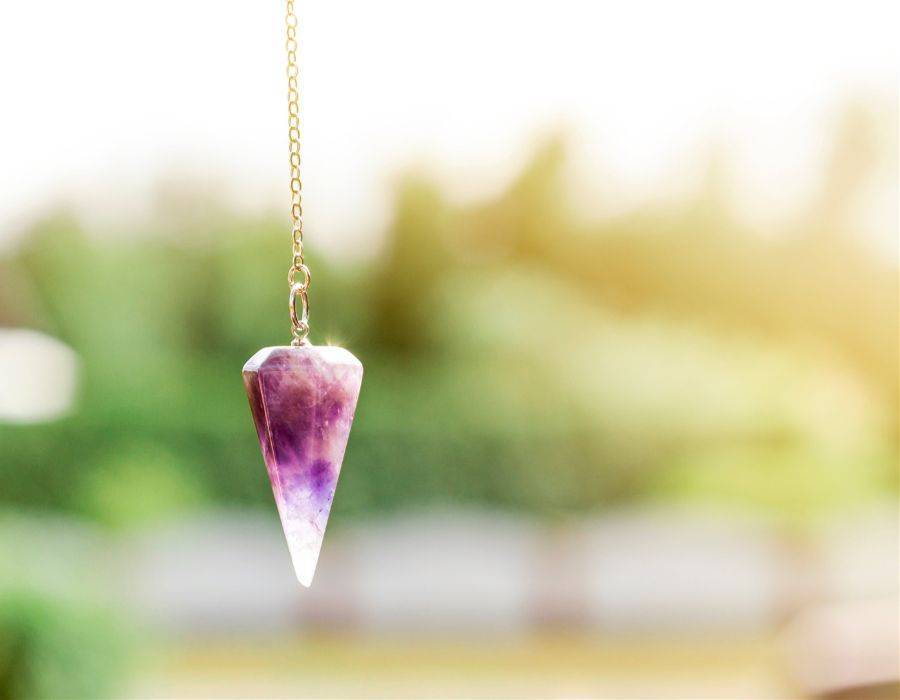
Because purple has powerful healing properties, you should try incorporating it into many other aspects of your life. Amethyst is a strong stone that can shield you from negative influences and addictions. It can also soothe and calm the mind, body, and spirit. You can also try herbs to balance your crown chakra.
When your crown
When this
Balancing your crown
You can overcome any addiction or negative behavior by taking the time to connect with your spiritual nature. You can transmute any lower vibrational habits that no longer serve you when you work to align your energy with your highest potential.

Clearing and balancing your crown
Chakra to Stop Addiction: Types
According to addictioncenter.com, the top 5 most common addictions in the US in 2020 are:
- Alcohol disorder: 10.2% (or 28.3 million)
- Nicotine addiction: 8.5% (or 23.6 million)
- Marijuana disorder: 5.1% (or 14.2 million)
- Opioids addiction: 1.1% (or 2.7 million)
- Inhalants: 0.9% (or 2.4 million) (inhalants are drugs that come in the form of gasses or liquids that can be breathed in to produce a psychoactive effect.)
Alcohol
When it comes to alcohol addiction, the first, second, and third chakras are the most relevant. The first
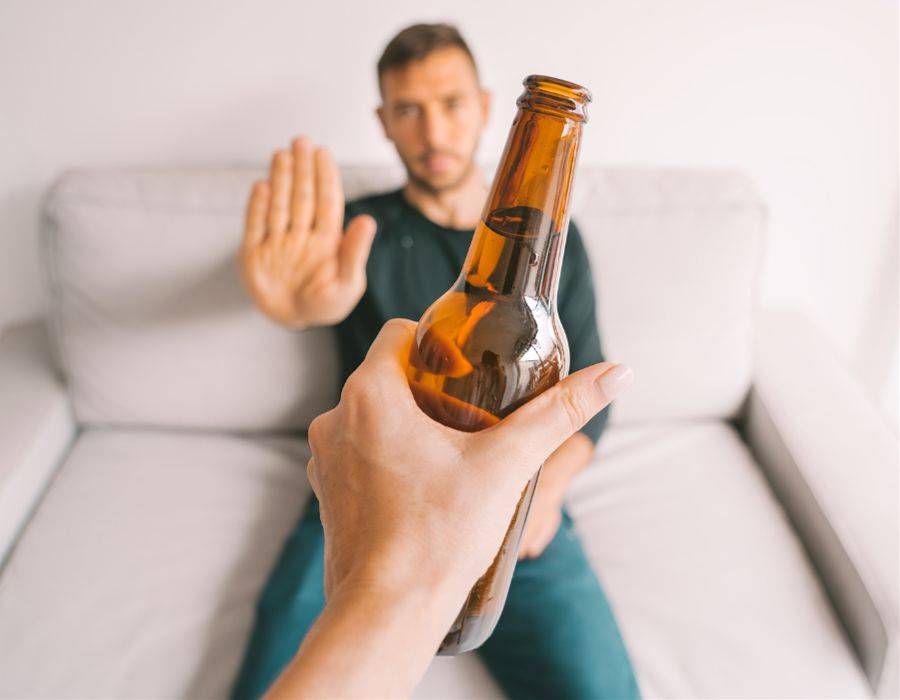
The second
Therefore, by strengthening these three chakras and balancing the others, you can develop a strong sense of connection to your true self, enabling you to resist any temptation or addiction.
Nicotine
For Nicotine our recommendations are the same as that of alcohol, but with a heavy emphasis on Svadhisthana and Manipura. Nicotine stimulates pleasure centers in the brain, so we suggest focusing on restoring balance to your second
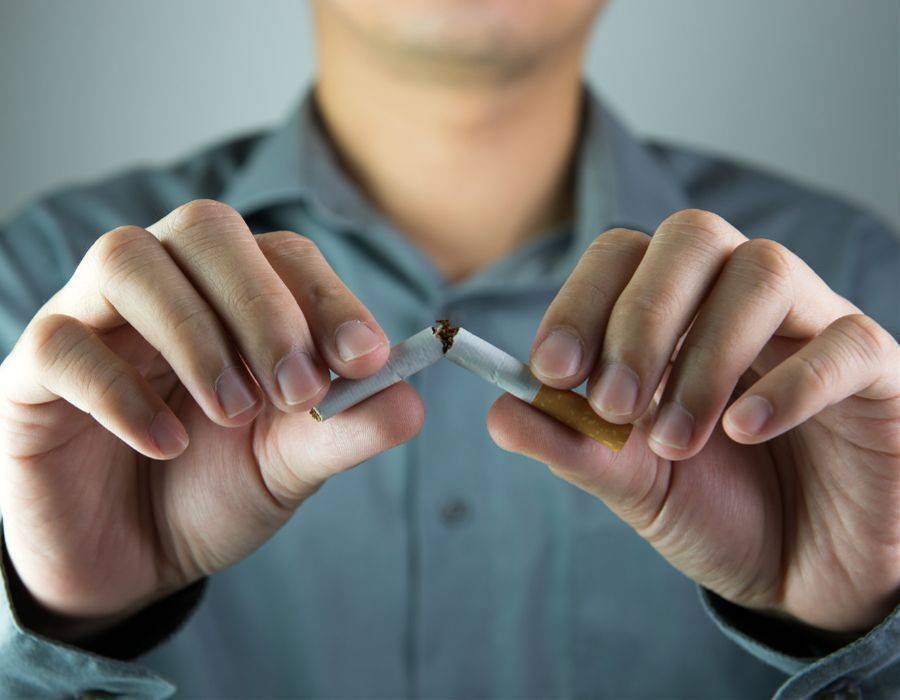
Additionally, focus on strengthening your connection to your true power and self-esteem by opening and balancing your third
Drugs
Drug addiction is the most challenging to overcome, as it involves all the chakras and often requires professional help. We suggest focusing on strengthening Muladhara first, as it governs physical safety and stability. This can be done through grounding practices such as walking barefoot on the ground or meditating with crystals. You might want to try as well a combination with parts of Reiki.
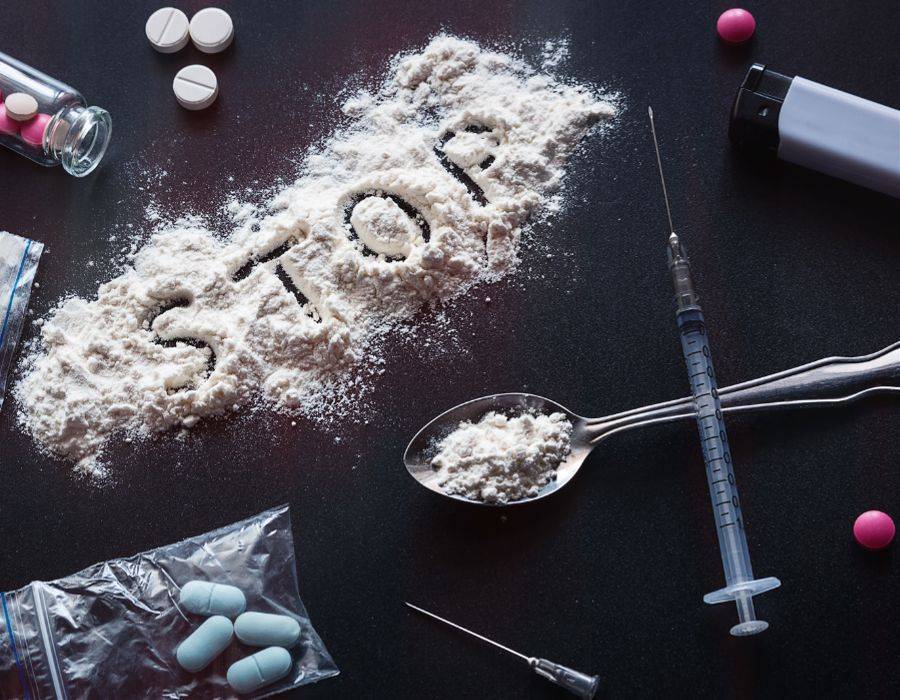
Second, open Svadhisthana by exploring other activities that give you pleasure and joy, such as art, music, or dance. And lastly, focus on Manipura to increase your self-esteem and connection to your power. This can be done through affirmations, mantras, or positive visualizations.
In conclusion, understanding and balancing the chakras is a great way to overcome any kind of addiction. By focusing on strengthening each
This article is intended to be informative only and should not replace the advice of your doctor or other health care professional. Please visit a qualified healthcare provider if you are experiencing any physical or psychological symptoms.
Check out this video for more information on the chakras and addiction.
Sources
- https://www.healthline.com/health/fitness-exercise/7-chakras
- https://kilobycenter.com/chakras-addiction-recovery/
- https://www.bayviewrecovery.com/rehab-blog/the-ego-the-root-chakra-and-addiction/
- https://www.samhsa.gov/find-help/national-helpline
Frequently Asked Questions
How do chakras relate to addiction and addictive behaviors?
Chakras govern energy flow throughout your body. When imbalanced, they create energy blockages that can manifest as addictive behaviors. Trapped emotions and traumas stored in blocked chakras often drive people toward substances or harmful habits to numb emotional pain and fill internal voids.
Which chakra is most important for overcoming addiction?
The crown chakra (Sahasrara) is essential for addiction recovery. Located at the top of your head, it connects you to spiritual consciousness and divine purpose. When balanced, it provides wholeness and eliminates the void that addictions typically fill, offering lasting freedom from compulsive behaviors.
What does a blocked root chakra have to do with addiction?
An imbalanced root chakra (Muladhara) creates addiction to fear itself—craving the sensation and adrenaline rush. This manifests as thrill-seeking behavior or avoidance of anxiety. It’s also linked to addictions involving money, security, food, and gambling due to instability and survival fears.
How is the sacral chakra connected to intimacy and substance addiction?
When your sacral chakra (Swadhisthana) is imbalanced, it creates unhealthy addiction to intimacy and physical validation. This manifests as obsessive seeking of sexual encounters and constant need for attention. The sacral chakra is also linked to addictions like pain relievers, pornography, gluten, and chocolate.
Why does an overactive third eye chakra lead to addictive behavior?
An imbalanced third eye (Ajna) generates disjointed conspiracy thoughts, paranoia, and obsessive dark thinking patterns. These negative mental loops drive people toward drugs or alcohol as coping mechanisms. Balancing this chakra restores confidence and focus, breaking the addiction cycle.
What chakras are involved in alcohol addiction?
Alcohol addiction primarily involves the root chakra (safety and grounding), sacral chakra (pleasure-seeking), and solar plexus chakra (power and self-esteem). Strengthening these three chakras while balancing others helps develop strong self-connection and resistance to temptation.
How does a blocked heart chakra contribute to love addiction?
When your heart chakra (Anahata) is blocked, it creates constant need for external validation and approval from others. Love addiction manifests as fear of abandonment and obsessive relationship-seeking. The heart chakra is also linked to addictions to nicotine, sugar, opiates, and ecstasy.
What role does the throat chakra play in addiction patterns?
The throat chakra (Vishuddha) governs communication and self-expression. When imbalanced, it creates gossip addiction and prevents honest self-expression, leading to isolation. It’s also associated with addictions to marijuana, opiates, food, and tobacco due to suppressed authentic communication.
Can meditation on the crown chakra help break addiction cycles?
Yes. Crown chakra meditation using purple light visualization connects you with your higher self and divine purpose. This spiritual connection fills the internal void that drives addiction, replacing compulsive behaviors with peace, wholeness, and meaningful life direction and intention.
How does the solar plexus chakra imbalance fuel addictive behaviors?
A blocked solar plexus (Manipura) weakens personal power and self-worth, trapping you in negative self-talk loops. This powerlessness drives addictions to speed, cocaine, caffeine, work, anger, and processed foods. Strengthening this chakra restores confidence and breaks dependency cycles through self-esteem building.