You found a dead rat and wondered what it means: bad luck? Most folk traditions don’t read it as a death warning. British sailors watched rats as signs of what was already breaking down, not what was about to strike. Where you found it, whether it looked sick, and what else felt off that week all change what it points to.
Key Takeaways
- A dead rat is not a universal death omen. Across documented traditions, it signals structural or physical collapse, something already failing, not something about to arrive.
- According to British maritime and rural folklore surveyed by Spooky Isles, rats sense collapse before humans do. Their death marks a turning point in that warning cycle, not the start of one.
- In Hindu Puranic tradition, the rat as Mushika (Ganesha’s vehicle) represents controlled desire. A dead rat near your threshold may point to an obstacle that has gone unaddressed, not a curse.
- Location matters more than species. Inside the home reads differently than outside the door, which reads differently than in the yard.
- The right response is practical first (safe disposal, check for infestation) and reflective second.
What Does It Mean When You Find a Dead Rat?
The short answer: it is not what most people fear, as rat symbolism reveals.
The folk record across several traditions reads the dead rat as a sensor reading, not a verdict. Rats, in British seafaring lore and in German plague-era urban belief, were understood as animals that detect structural and physical failure before humans register it. Their death signals a turning point in that process. The thing decaying has already been decaying. The rat is just the evidence you can see.
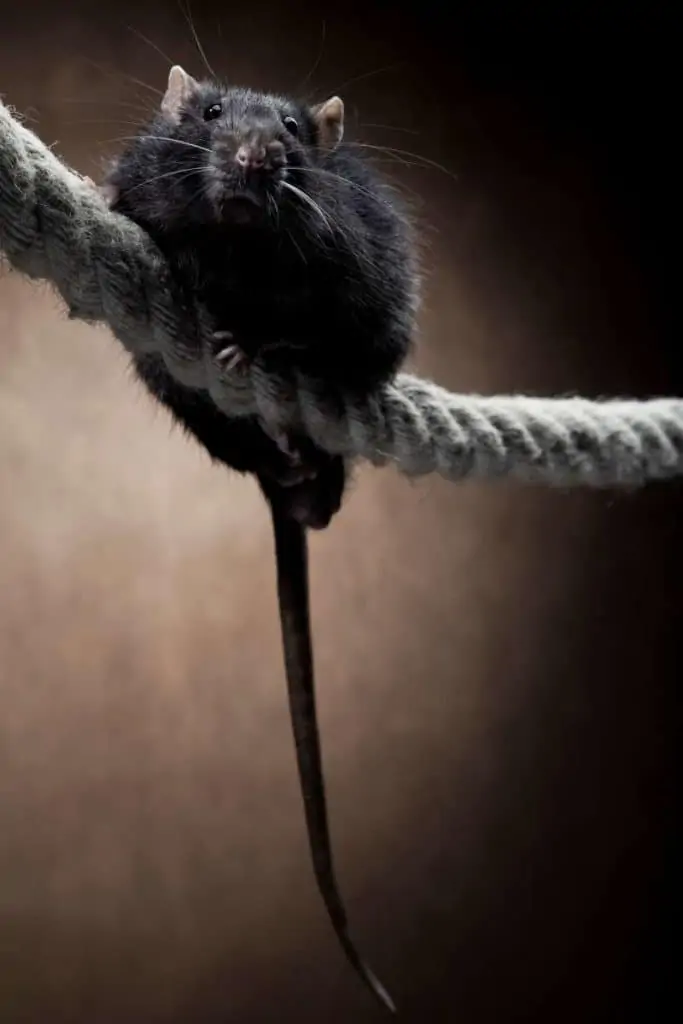
I want to be honest about the limits here. I’ve read the British material, the Puranic texts, and what survives of the German tradition, and what I keep noticing is that none of them read a dead rat as a message directed at one specific person. The old traditions read the household, the ship, the neighborhood. The personal omen reading is much newer and much thinner in the historical record. That doesn’t make your feeling wrong. It means the feeling deserves a better answer than “yes, this is about you specifically.”
You are not making this up. The unease has a history behind it.
What Do Different Cultural Traditions Say About Dead Rat Omens?
British maritime and rural lore is where this symbolism is most clearly documented. According to Spooky Isles’ survey of British rat superstitions, a sudden mass exodus of rats from a ship was read as an omen of shipwreck or the financial ruin of the ship’s owner. The mechanism matters: the rats were not causing the disaster, they were sensing it. Their departure meant the ship was already compromised.
In rural households, a similar logic applied. Unexplained rat flight from a house warned of death or serious illness in the family, while rats persisting in sickrooms were read as signals that the illness was not retreating.
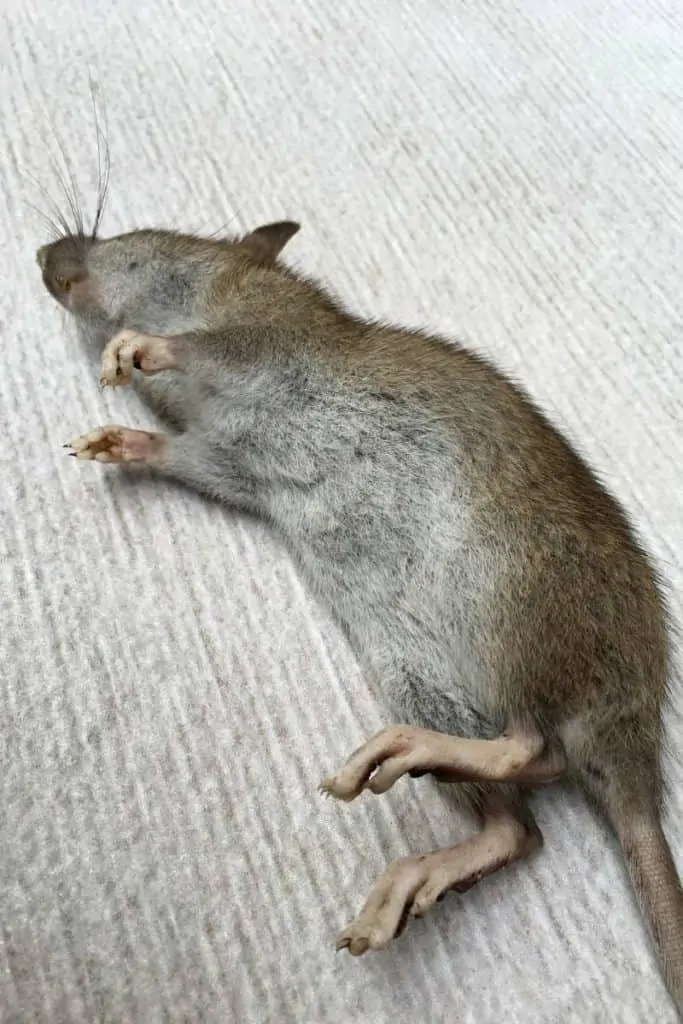
Keith Thomas’s Man and the Natural World (1983) puts this inside a broader early modern English framework where vermin functioned as indicators of moral and material disorder. A house with rats was a house where something had gone wrong in the social or physical fabric. A dead rat found suddenly, not from trapping, not from poison you set, carried the weight of that tradition. Something was collapsing; the rat had finished collapsing with it.
The Chinese zodiac tradition reads the rat differently: as a sign of resourcefulness and quick-witted survival. In that system, a dead rat inverts those qualities and suggests a period where wit and flexibility have run out. Or rather, where they need to be applied to something that has been ignored. But I should say, I am less confident about the specific omen readings within Chinese folk tradition, and I would not want to overstate what is, in the sources I have access to, a thinner record than the British material.
What Did Plague-Era European Folklore Believe About Rats and Death?
In late medieval and early modern German and central European towns, rats and plague were inseparable in the popular imagination. Proliferating rats were seen as signs of epidemic, not because the folk understood transmission, but because rats and humans often sickened in the same conditions.
A sudden die-off of rats in a neighborhood was read two ways: either the danger had passed, or it was moving. The dead rat marked a transition in the contagion cycle, not a simple death omen.
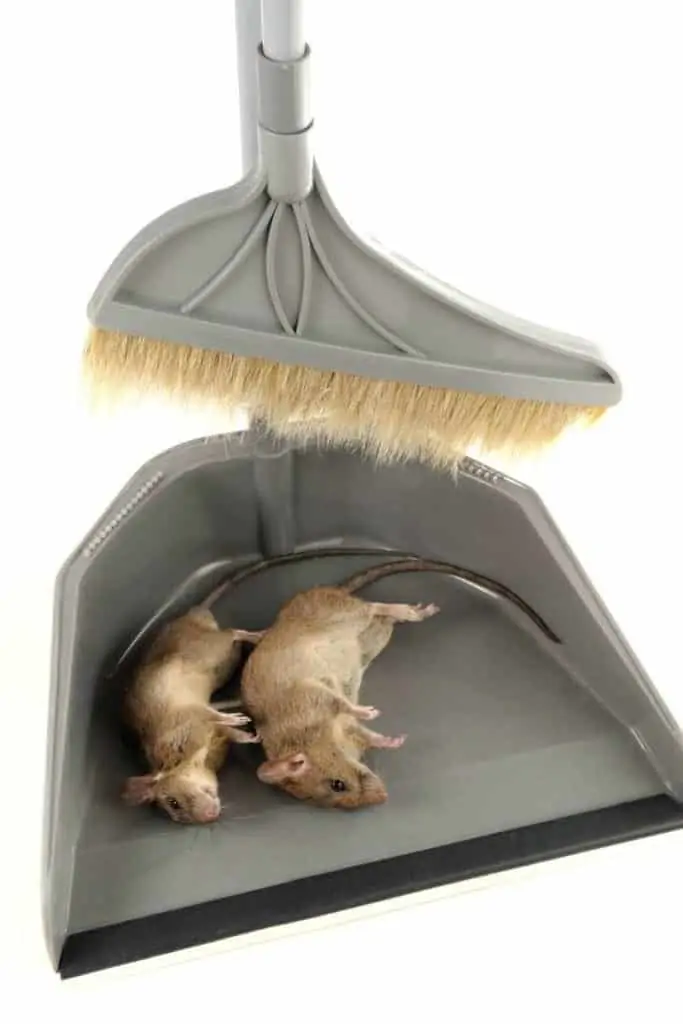
This is worth sitting with. The tradition does not say: a dead rat means someone you love will die. It says: something in the structure of this place is at a turning point. That is a meaningfully different claim. And it maps onto what several people who find dead rats actually report noticing in their lives, not sudden catastrophe, but a slow thing that has been building.
The Norse tradition I’ve encountered is less specific about rats in particular. It lumps them with vermin generally, read as signs of neglect and disorder rather than death. If you are looking for specificity in Norse folk belief about dead rats, I have not found a confident source and I won’t invent one.
What Does Hindu Tradition Say About the Rat as a Spiritual Symbol?
This is one of the genuinely strange facts in the rat’s symbolic history. In Hindu tradition centered on Ganesha, the remover of obstacles, the deity invoked at thresholds and beginnings, the rat holds a place of honor as the god’s vahana, his vehicle. The rat’s name in this context is Mushika, which means something like “the one who creeps into every hidden place.”
Devdutt Pattanaik’s 2016 essay “Ganesha, the God Who Rides Rats” explains it this way: the rat represents desire and distraction in their most restless form, the thoughts that creep into every corner of the mind. When Ganesha rides the rat, he is not harming it; he is demonstrating sovereignty over it.

Wendy Doniger’s Hindu Myths (1975, Penguin) situates Mushika within a broader Puranic understanding of animals as vehicles for divine qualities, where the rat’s penetrating intelligence and fertility are as important as its destructive associations.
A dead rat in this framework inverts the symbol. Mushika is supposed to carry Ganesha, to be controlled, directed, purposeful. A dead Mushika suggests the opposite: desire or distraction that has run unchecked until it exhausted itself, an obstacle not yet removed, a threshold crossed without the right attention. That is a different reading than “bad omen.” It is more specific. And more useful.
What Does It Mean When You Find a Dead Rat Near Your Home?
Location shifts the reading considerably.
Inside the house, in the kitchen, the bedroom, a room you use, carries the strongest weight in British household lore. The rat died inside the structure, which means whatever it was sensing was inside too. In the structural collapse reading, that points inward: health, finances, a relationship, something inside the household fabric.
On the doorstep or porch, the reading softens slightly. The threshold, in British folk tradition and in the Ganapatya reading both, is a crossing point, a boundary between what is inside and what is coming. A dead rat at the threshold may signal that something threatening was stopped at the door rather than entering. Not all traditions read it that way, but enough do that it is worth holding.
In the yard, farther from the house, the reading is least personal. Rats die in yards. They are Norway rats (Rattus norvegicus), which according to the Animal Aging and Longevity Database have a median lifespan of about two years in the wild, which means a lot of them are dying at any given time, often in places they happened to be when their bodies gave out. A dead rat in the far corner of your yard is almost certainly a rat that died near where it lived. The further it is from your threshold, the less the old traditions would read it as directed at you.
The fact that you noticed this is part of the answer. People walk past dead animals every day without stopping. You stopped. Whatever the rat means to you is already telling you something about where your attention is right now.
Frequently Asked Questions
Is finding a dead rat good luck or bad luck?
Neither category fits well. According to British rural and maritime folk tradition documented in Keith Thomas’s Man and the Natural World (1983), a dead rat signals that a cycle of structural or physical failure has reached a visible point, which can mean the worst is over, or that it is time to act. The tradition does not call this luck. It calls it information. Whether that information arrives at a difficult moment or an easy one changes how it lands, but the reading itself is neither a promise of disaster nor a guarantee of rescue.
What does it mean if a dead rat appears repeatedly in the same spot?
Practically: you likely have a nest nearby, or a predator dropping catches, or a poison bait station someone set. Rats living in a fixed area die in that area. Symbolically, the British tradition reads a cluster of deaths in the same location as amplifying the original warning, something in that specific structure or space is genuinely compromised. I would take both readings seriously in parallel. Inspect the location physically, and ask yourself what it represents in your life.
What does a dead rat mean in a dream?
Dream readings are trickier to anchor in named traditions. The Jungian reading I find most consistent, and I’m reading Jung as a psychologist, not a prophet, is that the rat in dreams represents something the dreamer has suppressed or deemed unworthy of attention. A dead rat in a dream may signal that a fear or hidden problem has lost its grip, or that you have stopped attending to something that needed attention. The emotional tone of the dream matters more than the rat itself. If the dream felt like relief, read it as relief. The rat symbolism page covers dream frameworks in more depth.
Is there a biblical meaning associated with dead rats?
Rats appear in the Hebrew Bible. Leviticus 11 lists them among unclean animals, and in 1 Samuel 6, golden rats figure in a plague narrative involving the Philistines and the Ark of the Covenant. But a specific omen tradition around dead rats is not something I have found clearly documented in biblical or patristic commentary. The uncleanness designation is about ritual purity in contact with living or dead rats, not omen-reading. If you have come across a specific Christian folk tradition on this, I would be curious, but I cannot claim one exists with confidence.
Does the size or color of the rat change the meaning?
I don’t have a confident answer here. The folk record on rat coloration as an omen variable is thin, and the academic record is thinner. In Chinese zodiac tradition, a black rat and a white rat carry different valences, black associated with the water element and depth, white sometimes read as an unusual or auspicious visitor, but these distinctions apply to living rats in specific contexts, not to dead ones found unexpectedly. I would not build a reading on color alone.
What does it mean spiritually if my pet killed a rat?
Cats and dogs killing rats is behavior, not omen. Cats in particular are hunters; a cat bringing a dead rat inside is a cat doing what cats do, sometimes as an offering to the household. The British folk tradition does not generally read a pet-killed animal the same way as an unexplained dead animal appearing on a threshold. The element that carries weight in the old readings is the unexplained appearance, the rat that arrives without a visible cause. If your cat brought it, the cause is visible. You can set that one down.
Is a dead rat a sign that someone has cursed or hexed me?
There are folk traditions, including some documented in Appalachian mountain magic and in certain West African diaspora practices, where a dead animal left deliberately at a threshold is intended as an aggressive act. If the rat was clearly placed, arranged, wrapped, accompanied by other objects, that is a different situation than a rat that died near your door on its own. A rat that died naturally near your house is not evidence of a hex. The traditions that use animal remains in intentional workings leave them deliberately and are usually accompanied by other markers. A single dead rat, alone, in a normal location, does not meet that bar.
What does it mean if I find a dead rat at work or in a place of business?
The British tradition reads the workplace the same way it reads the household: a dead rat in a place of business signals structural or financial instability that has already been building. Not a sudden disaster arriving, but something that has been weakening the foundations. The honest practical step is the same as at home, look at what is actually wrong in the business. The symbolism does not add information the reality doesn’t already contain. It just gives you a reason to look.
Sources
- Spooky Isles, Survey of British Rat Superstitions
- Devdutt Pattanaik, “Ganesha, the God Who Rides Rats” (2016)
- Animal Aging and Longevity Database, Rattus norvegicus
- Hammertech, Rat Symbolism, Mythology, Folklore, Dreams and Premonitions
- MythCrafts, Rat Tales from Around the World (2018)
- Rudraksha Hub, Why Does Lord Ganesha Travel with a Rat
- Smithsonian National Zoo, Norway Rat